Fast Forward Virtual Demo Day 2026
Thank you to everyone who joined us for our 13th annual Virtual Demo Day! At Demo Day, Fast Forward’s latest Accelerator cohort pitched their solutions. Subscribe to What's Good in Tech to stay up-to-date on next year's event.
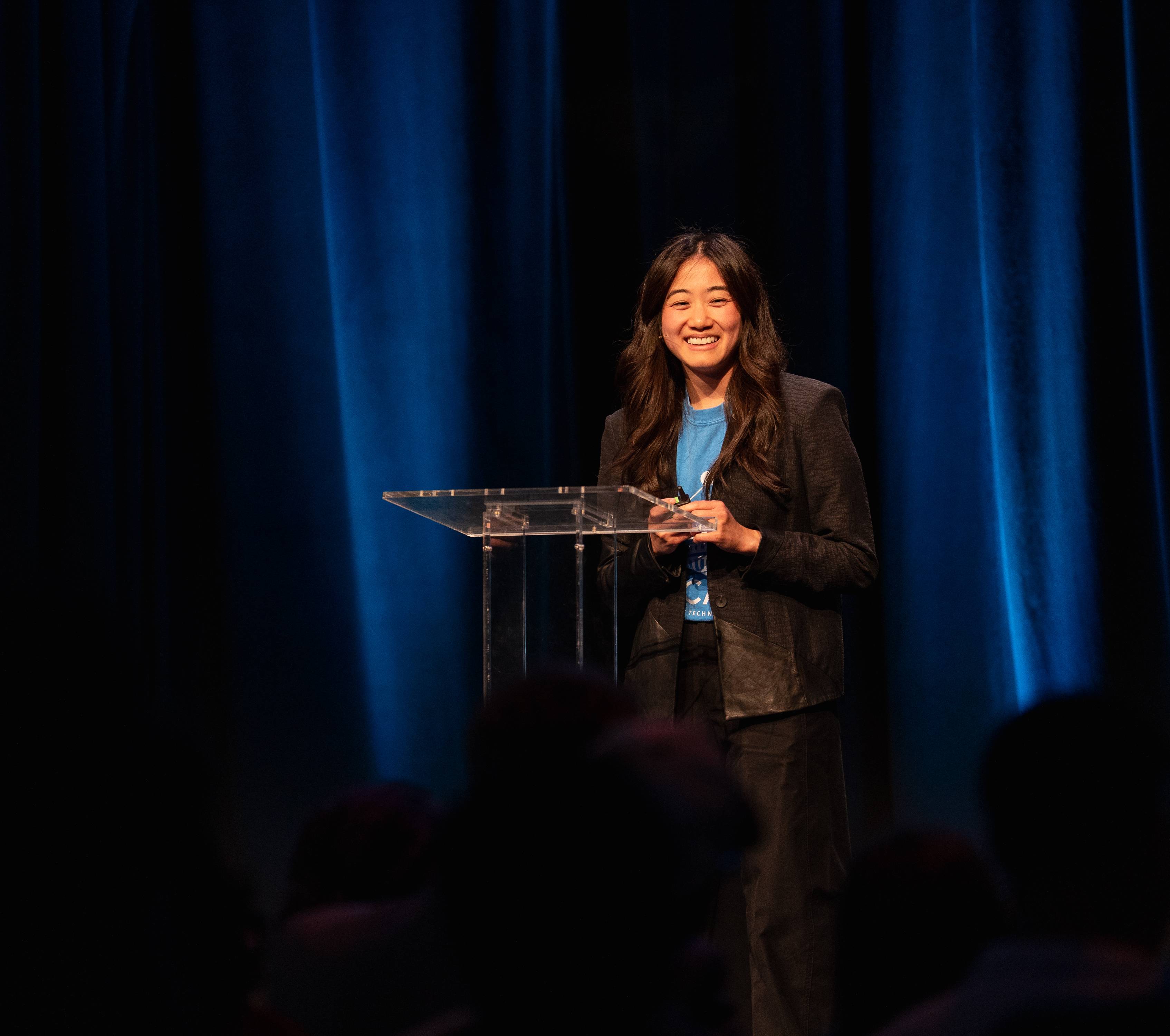
Watch Virtual Demo Day
Missed the event or want to experience the magic again? We’ve got you covered. Head to YouTube to watch the full program, and keep scrolling to learn more about the incredible cohort.
What happened at Demo Day?
After three months in our Accelerator, the 10 nonprofits in our 2026 cohort shared what they built — and what’s coming next.
What happened at Demo Day?
They’re detecting wildfires before they have the chance to spread, combating digital harms to rebuild trust on the internet, powering homes through renewable plug-in energy, and more.
What happened at Demo Day?
Each team took the stage to tell their story and laid out their vision for the future. Learn more about each team below.
Ambition Angels
The Opportunity: Teens today are smart, driven, and want meaningful jobs that pay well. But most have never seen what those careers actually look like. Schools are geared for academics, not career discovery, and fewer teens than ever attend after-school programming. In the midst of AI reshaping entire industries, teens without mentors and networks are the last to find out about the newest opportunities.
The Solution: Ambition Angels meets teens where they are: on their phones. Through the Ambition app, teens complete 30-day simulated internships across different fields, repurposing their screen time for hard-earned skills and rewards. By the end of the month, teens better understand whether they want to go further down the current track or explore another field.
The Founder: Remi Somobehin dedicated 20 years to helping youth unlock their potential. He served as Dean of Students at East Palo Alto Academy High School before leading at the Boys & Girls Clubs of the Peninsula.

Bright Saver
The Opportunity: 1 in 3 American households struggles to pay their energy bills as electricity prices continue to soar. But here's the thing: there's already a proven, accessible solution that could cut both greenhouse gas emissions and energy costs. Most people just don't know about it yet.
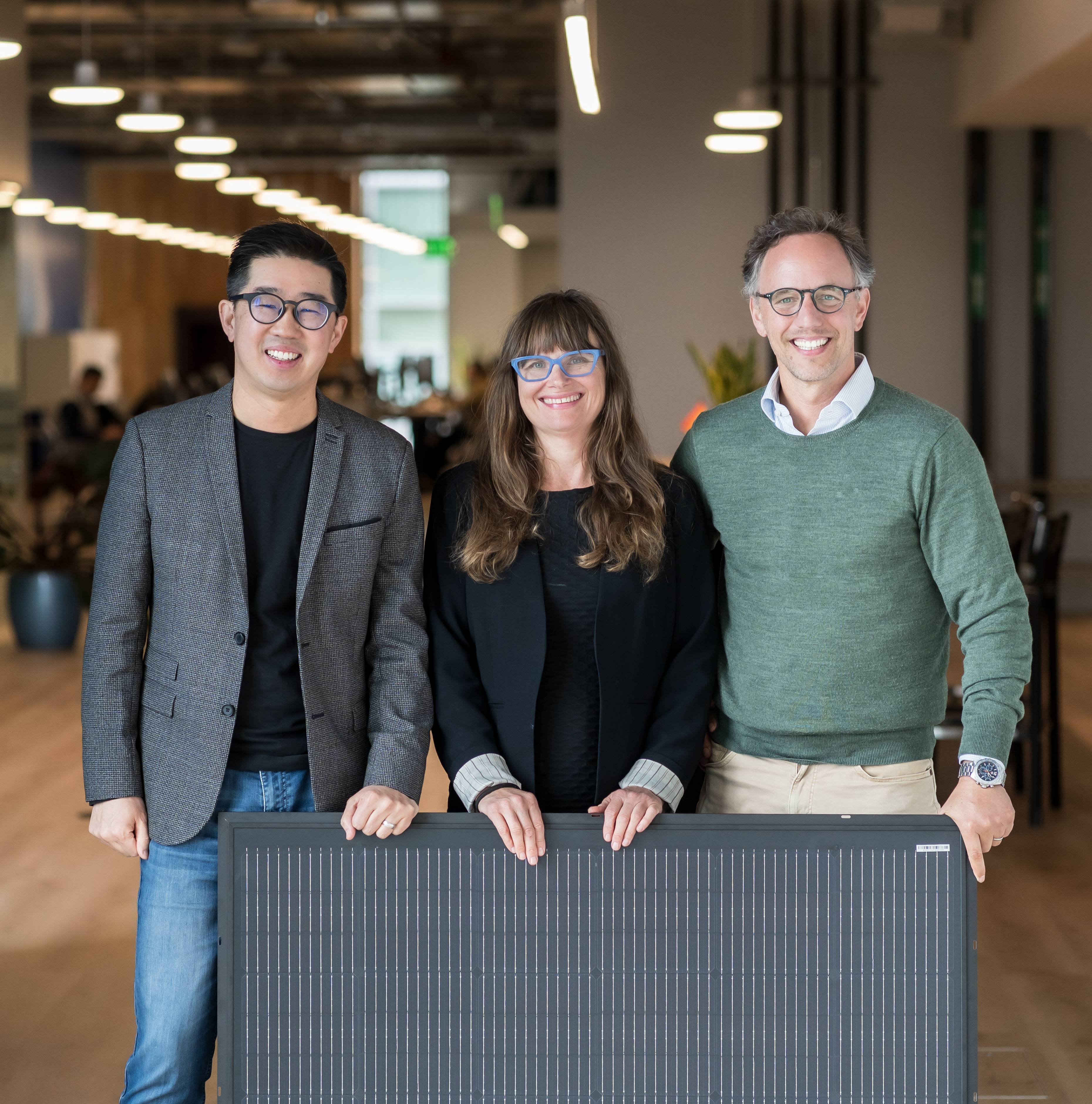
The Solution: Bright Saver offers portable plug-in solar panels that people can use anywhere there’s a power outlet. To ensure that everyone – renters, apartment residents, low-income families, and more – can benefit, Bright Saver also pushes for policies across all 50 states to make this tech affordable and accessible for residents.
The Founders: The Bright Saver founders consist of: Kevin Chou, an entrepreneur who has scaled companies to hundreds of millions of dollars in revenue; Rupert Mayer, a former software engineer turned climate investor; and Cora Stryker, a serial founder focused on climate action and economic mobility. Inspired by Germany’s plug-in solar movement, the trio teamed up to bring plug-in solar to the United States.
Culturally Relevant Science
The Opportunity: STEM curriculums are not designed to be inclusive of all backgrounds. Unable to relate to what’s being taught, many underrepresented students lag behind in terms of proficiency and end up not pursuing STEM as a career. Meanwhile, teachers are experiencing burnout at all-time highs, lacking the resources to tailor lessons to their students.
The Solution: Culturally Relevant Science develops inclusive, digital STEM programming that teachers can easily implement in their lessons. These resources ground concepts in tangible context, making it easier for the curricula to stick for students who are excluded from STEM fields.
The Founder: Meagan Naraine first taught science to hundreds of Atlanta public school students as part of the Teach for America Corps. Continuing to educate as a teacher and instructional coach, Meagan decided to use tech to build what she needed at the start of her journey.

Health Access Innovation
The Opportunity: Over 200M requests for healthcare coverage are denied in the U.S. each year. Appeals are effective but most people never file one due to how time-consuming and complicated the process is. People are unable to access the care they need.
The Solution: Health Access Innovation uses AI and machine learning to help patients appeal denials for free. Once people submit a request for help, caseworkers can use Health Access Innovation’s case management platform, powered by specialized machine learning models, to prepare the appeal and do the heavy lifting.
The Founder: Appealing coverage denials left Mike Gartner frustrated by the effort, time, and knowledge required to gather evidence for an appeal, and the persistence necessary to overcome wrongful barriers. This experience spurred him to devote his expertise in machine learning to increasing access to care for those who need it most.

Muevetex
The Opportunity: More than 60M people in Mexico rely on public transport to get to work and school, but most routes are not digitized. This prevents people from commuting in a predictable and reliable manner. Governments and operators can’t provide accurate, on-demand route information due to a lack of data infrastructure — which can be built from the ground up.
The Solution: Muevetex digitizes public transport networks, making public transit reliable for commuters and legible for cities. To use the Muevetex app, users enter their origin and destination. In turn, they receive route options, navigation information, and real-time alerts.
The Founder: Regina Paredes is an urban planner by training, participating in fellowships with Inter-American Development Bank and the United Nations to develop sustainability solutions. Her inspiration to found Muevetex stems from her time as a university student, when she would spend four hours a day on a bus going on unpredictable routes.
MyCapitol
The Opportunity: The typical U.S. congressional office has a small staff responsible for covering countless policy issues with limited time, resources, and expertise. This means a single meeting can often decide whether an issue moves forward. While lobbyists enter these meetings prepared with clear action items, the average constituent doesn’t even know what to ask for and how.
The Solution: MyCapitol equips citizens and nonprofits with tools to advocate effectively on their own without the insider know-how. Their AI-powered platform maps out what bills matter, which reps back them, who influences an issue, and what actions to ask for, all in one place.
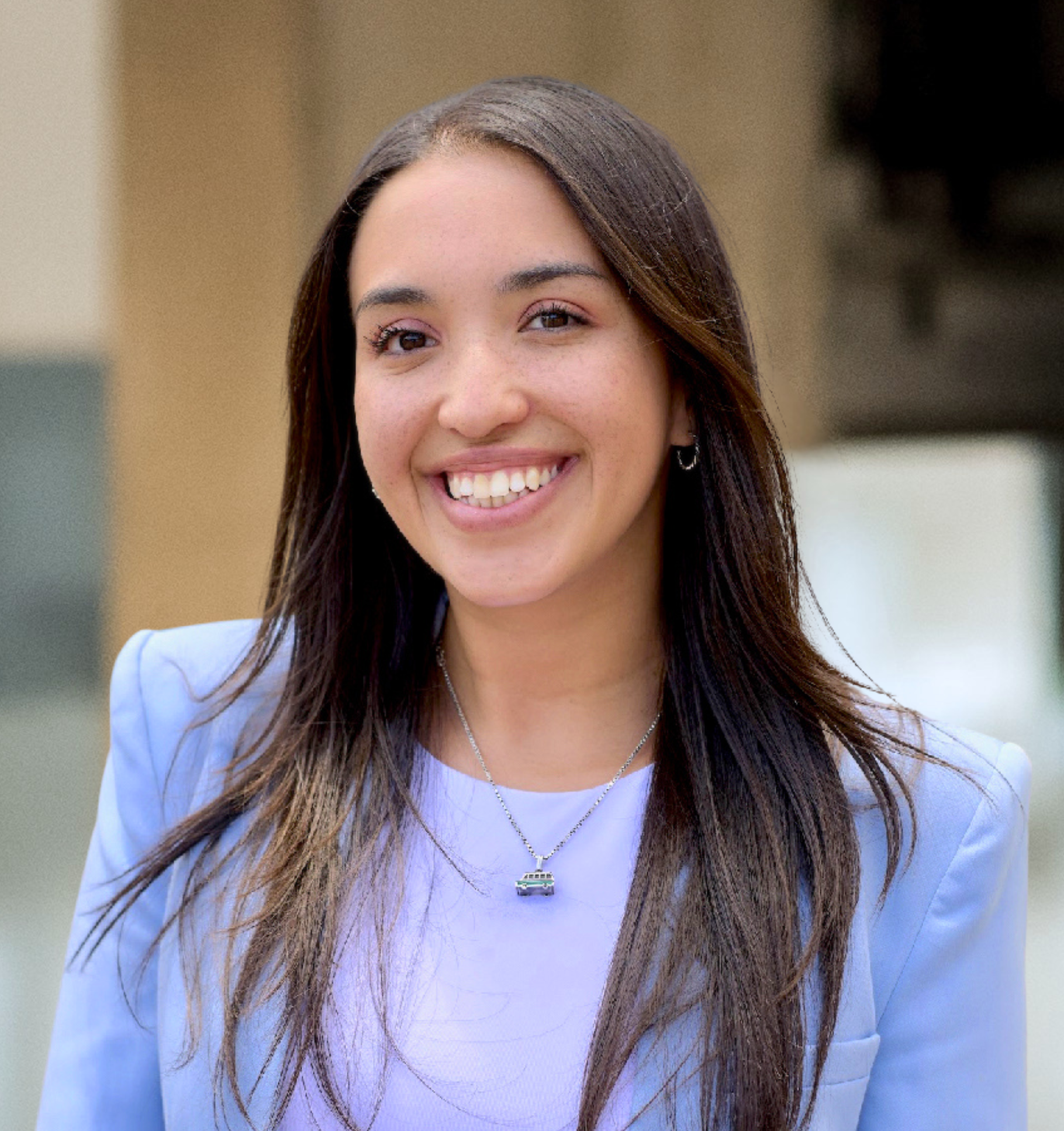
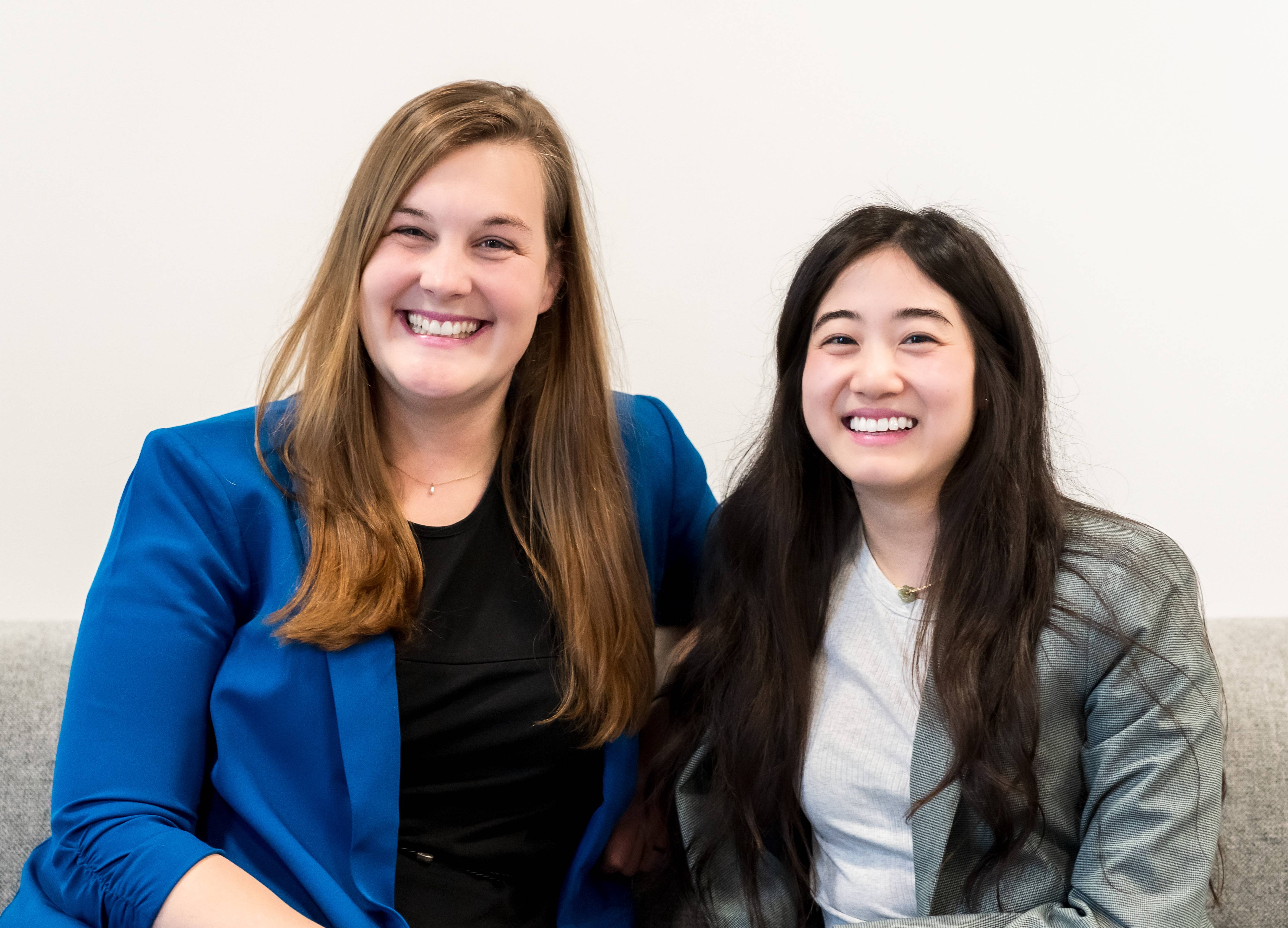
The Founders: Julie Lin previously built products at Microsoft while Candace Moix worked at the National Security Agency and the Department of Health and Human Services. Their paths crossed when they both served in Congress through the TechCongress Fellowship, and the rest is history.
Pyronear
The Opportunity: Wildfires ravage landscapes all over the world, and they’re happening more frequently due to climate change. But most wildfires are still reported by citizens rather than professional observers, creating delays in crises that can’t spare even a few seconds.
The Solution: Pyronear is an open source wildfire detection system that deploys AI-powered monitoring stations in forests. Each station includes cameras and a credit card sized computer running an embedded AI model onsite. When smoke appears, Pyronear automatically detects and locates it, warning fire departments immediately and reducing detection time from hours to under five minutes after ignition. Precise coordinates help firefighters qualify the threat, identify the right resources, and improve response time.
The Founders: Mateo Lostanlen, Sébastien Elmaleh, François-Guillaume Fernandez, Bruno Lenzi, and Félix Veith make up the founding team behind Pyronear, boasting deep experience in computer vision, environmental advocacy, research, entrepreneurship, and data science. The co-founders’ passion for scalable open-source solutions inspired them to tackle this formidable technical challenge.

SimPPL
The Opportunity: Made-up news is a problem everywhere. It’s difficult to discern what’s real or false, eroding trust in information and institutions. To rebuild trust, people need transparency about the actors and networks driving information to their feeds.
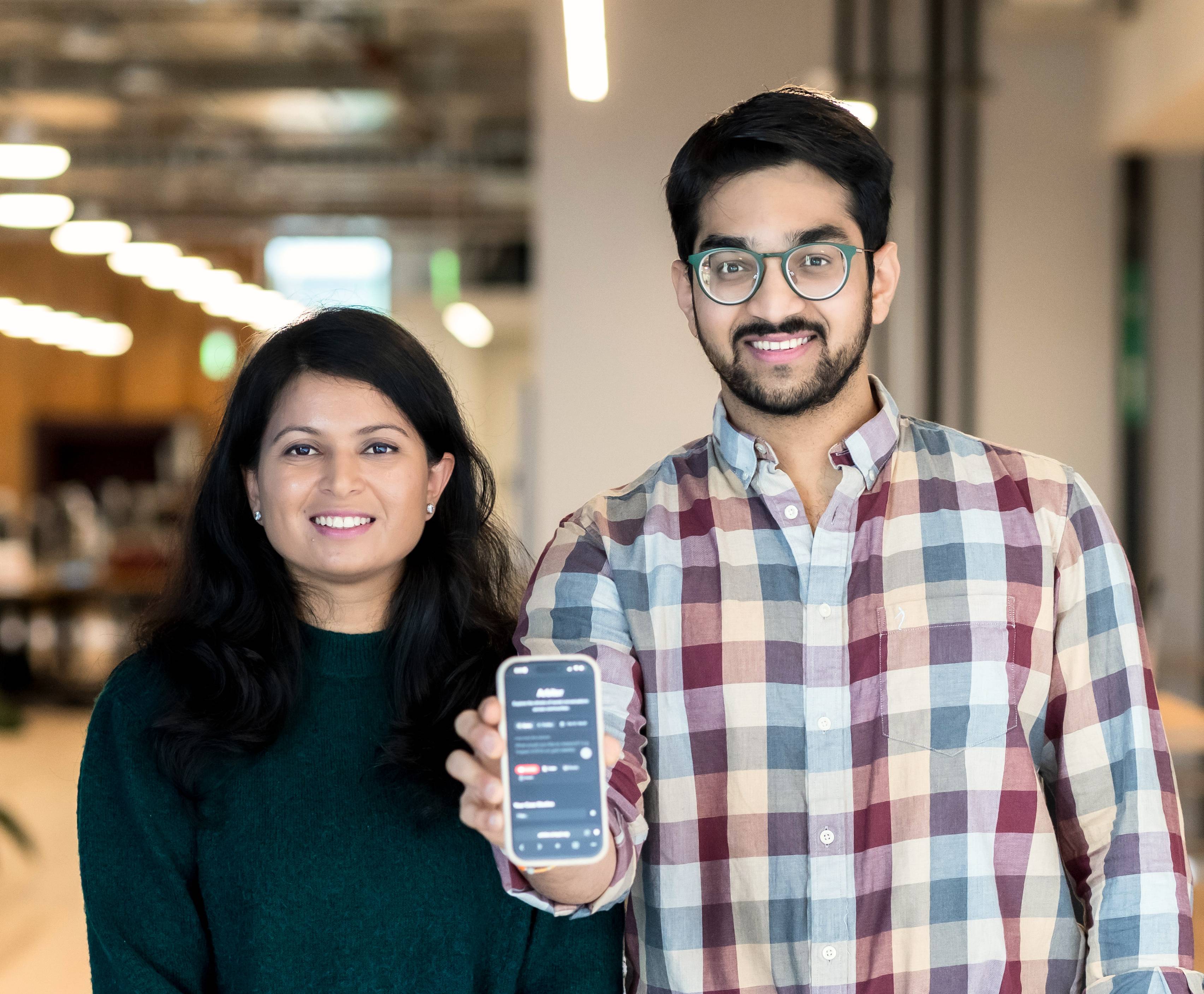
The Solution: SimPPL’s AI platform Arbiter traces millions of posts across the most popular social media platforms and offers journalists AI agents to help analyze media and report on digital deception. Journalists have investigated scams, fraud, influence operations, electoral concerns, child safety risks, and more. With SimPPL, journalists show people what's shaping their social feeds and empower them to discern between fact and fiction.
The Founders: Swapneel Mehta conducted AI research at MIT before completing a Ph.D., building systems that help people access reliable information online. He met Dhara Mungra at the NYU Center for Data Science, where their fervor for transparency crystallized into the belief that people should become the arbiters of their own truth.
Student Basic Needs Coalition
The Opportunity: Over half of college students consider dropping out of school due to financial stress. Programs like SNAP and Medicaid can help, but their systems are difficult to navigate. Students in need collectively lose out on more than $3B in assistance per year.
The Solution: Student Basic Needs Coalition built an AI-powered benefits navigation platform to help college students access public benefits. Students complete a short online screener, checking their eligibility across SNAP and Medicaid. They then receive a clear action plan, empowering them to apply for programs that they need to support their journey to graduation.
The Founder: Paige Swanstein experienced these barriers firsthand, prompting her to make sure students don’t have to choose between their education and their next meal. Paige’s research on campus food and housing security at North Carolina State University and work with Challah for Hunger uniquely positions her to close the gap between students and vital benefits.

SubjectToClimate
The Opportunity: Research shows climate education can cut more emissions than electric vehicles or offshore wind. And 65% of teens are motivated to learn more about climate. But teachers, faced with limited energy, resources, and time, are unable to provide students the tools they need to protect the planet and their future.
The Solution: SubjectToClimate is an AI-powered, digital platform that gives every K–12 educator the tools to activate students on climate. Teachers in all subjects can access vetted resources aligned to their existing lesson plans and localized to their geography. Every subject becomes a vehicle for civic action.
The Founders: Margaret Wang-Aghania taught economics in high school where she witnessed her students’ climate anxiety for the future of the planet. Set on a new path, Margaret studied and taught at Harvard where she met David Jaffe, a seasoned executive who wanted to address climate change with education.